
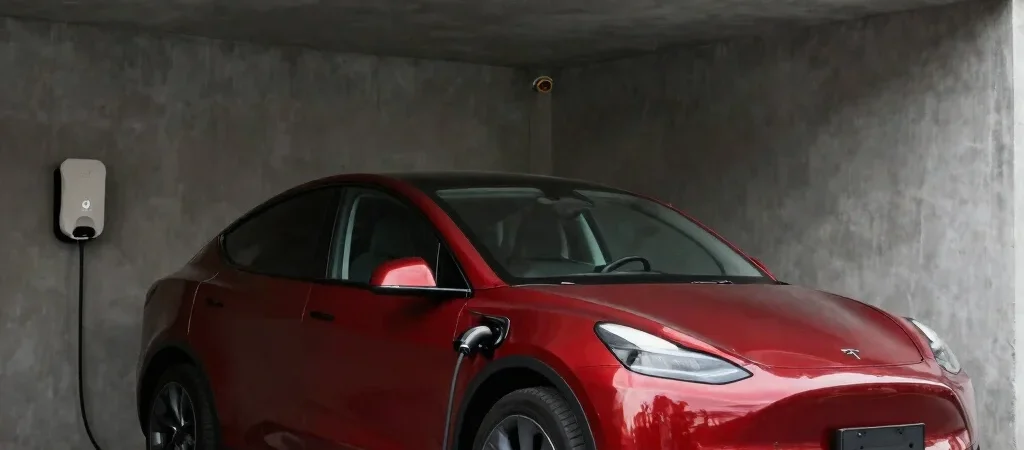
The first EV ownership question in an apartment isn’t how far the car goes on a charge. It’s whether you can reliably charge where you park. In India, that may mean getting an individual parking bay and the housing society’s approval; in the US, a condo owner may need to work through an HOA or building management.
Start with the parking space
Ask whether your space is assigned, whether a charger can be installed beside it, and who controls the electrical supply. A renter, flat owner, and standalone-home owner can face very different approval processes, even in the same city. Get the building’s answer before treating a home-charging setup as part of the car’s everyday convenience.
Then ask an electrician or qualified installer to assess the wiring, available capacity, and proposed charger location. A nearby outlet is not, by itself, confirmation that the setup is suitable for regular vehicle charging. The installation plan should account for the actual parking arrangement, not an idealized one.
Price the routine, not the promise
Charging costs depend on local electricity tariffs, the charger, and when you plug in; a single national estimate won’t tell you what your household will pay. In India, check the applicable utility tariff and how the society handles electricity used in common parking areas. In the US, review your utility rate plan and ask whether the building bills charging separately.
Also map a backup for days when home charging is unavailable: a nearby public charger, workplace charging, or another realistic stop on your regular route. Public charging access varies by neighborhood and travel corridor in both countries. Before choosing an EV, confirm the places you would actually use—not just the pins on a map.